Image Source: https://hettas.ca/
When Access Isn’t Enough
Some of the strongest barriers in sport are the ones athletes are expected to work around. Many of these barriers have become so normalized that on their own they appear nearly undetectable, yet their impact compounds over time. A study done back in 2008 by the Women’s Sports Foundation found that by age 14, girls are dropping out of sport at two times the rate of boys. This signals a retention issue, not a lack of motivation. While access to sport has improved in the last few decades, access alone does not guarantee equity unless it is paired with effective support as girls move through sport.
Consider the “hidden curriculum”, for instance. As the Women’s Sports Foundation explains, the “hidden curriculum” in physical education rewards competition and technical skill over movement for its own sake. As a result, students with the advantage of size or prior experience, often boys, are positioned to succeed, while others can feel out of place. This is just one example of how seemingly neutral structures can impact who feels supported and who doesn’t within sport.
The same logic that shapes these environments extends to the equipment athletes rely on, including something as fundamental as footwear. Many women’s shoes are made using male lasts, not at all considering differences in female anatomy or how life events like puberty, menstrual cycles, pregnancy, and menopause affect women’s footwear needs. The result is equality in access, but not equity in design.
For Lindsay Housman, these inequities revealed themselves through injury.
The Moment That Sparked Momentum
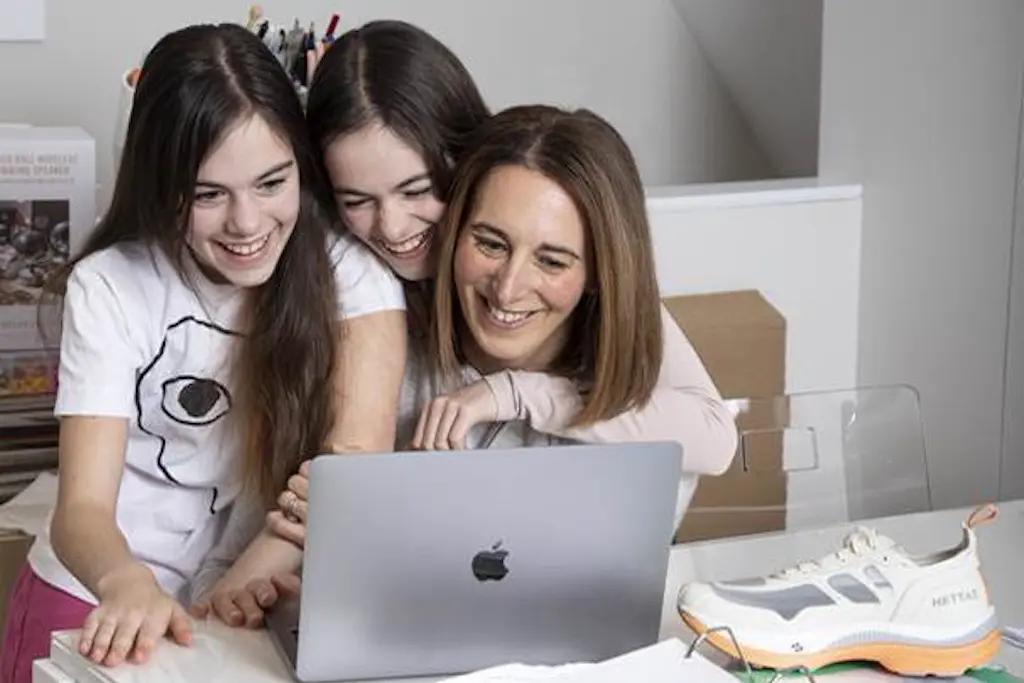
Image Source: Get Out There
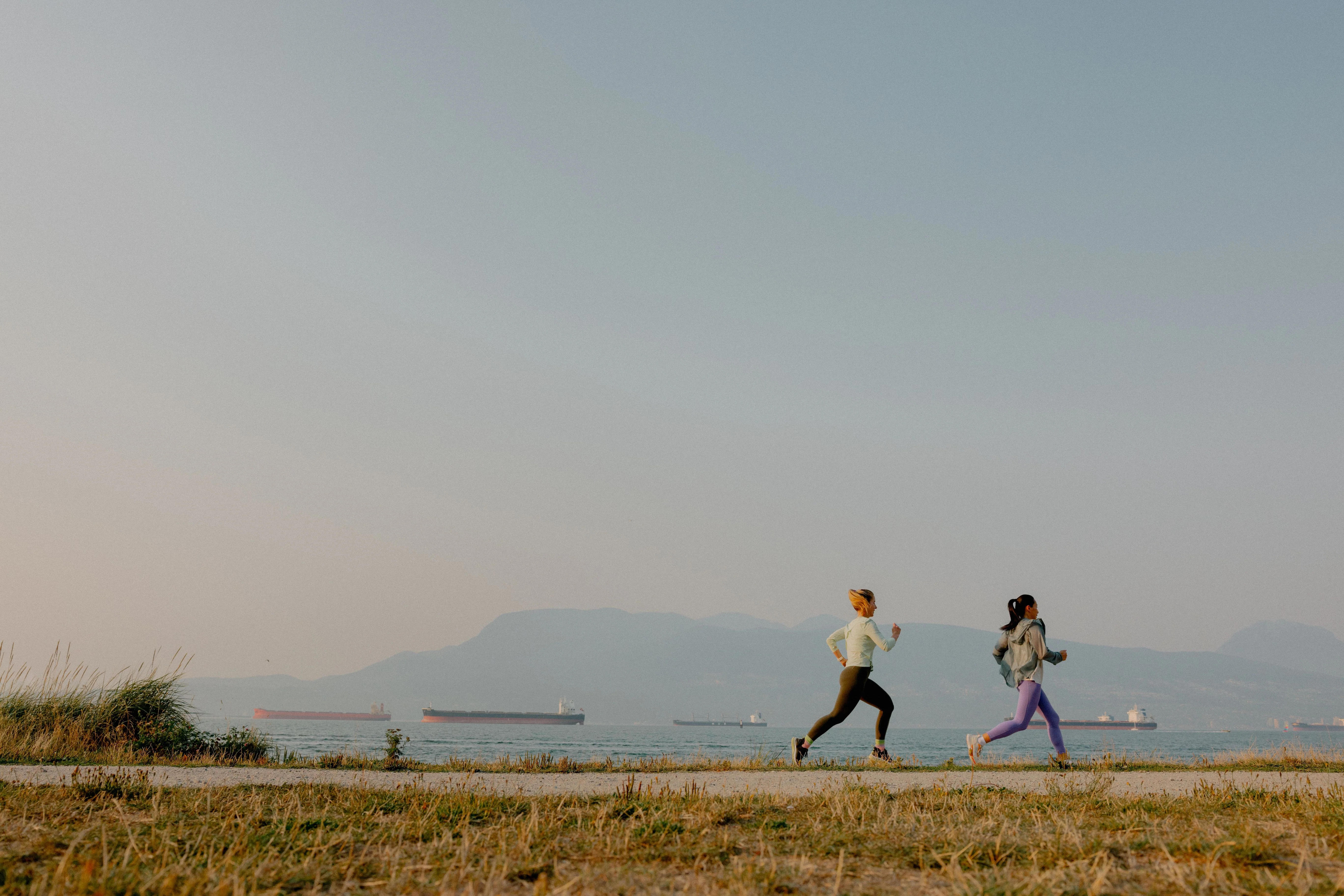
Lindsay is a lifelong athlete – a passion she has passed down to her two younger daughters. Moved by the impact sport has had on her own life, it’s always been important to Lindsay that her daughters have equitable access to sport. In her forties, Lindsay started experiencing foot pain that forced her to reduce the amount of sport she was involved in. Frustrated and confused by what could be causing these issues, she had mentioned the issues she was dealing with to a colleague in the athletic footwear industry, who casually pointed out that the shoes she was wearing were designed for men – as if he was pointing out the obvious. Suddenly, Lindsay was able to connect the dots. Her injury didn’t seem like a personal problem, but a structural one; if the shoes she was wearing weren’t designed for her in the first place, the outcome wasn’t at all surprising.
Around this time, gender inequity in sport was receiving a lot of media attention. The New York Times had published an editorial on equity in sport, exploring topics including the under-representation of women in sport and exercise medicine, less access to coaching, and lack of equipment that considers their anatomy. Lindsay and her husband had thought about one day starting a business once their daughters graduated school, but looking at a future where their girls might go on to play collegiate sports, inaction felt irresponsible.
This led to Lindsay founding Hettas, a proudly Canadian-owned performance footwear company building high-performance running shoes designed specifically for women.
Figuring Out Where To Begin
Before diving into designs, Lindsay needed to understand where the gaps in current footwear design were. She got in touch with Dr. Chris Napier, Director of SFU Run Labs, to conduct two research studies to give them a starting point. Coincidentally, Chris has two daughters of his own, so the cause hit close to home for him.
Study #1: Qualitative Research Paper
The first study was a qualitative research paper laying out the existing knowledge on women’s athletic apparel. The team quickly realized how limited the research was on women’s run performance, on hormones and their interaction with biomechanics, or what sort of materials would best suit women. The information that was available was mostly anatomical, looking at things like bone structure, instep shape, and ankle bone placement.
Additionally, a lot of the existing research excluded hormones as a confounding variable. While factors like hormonal changes, accounting who is and isn’t using contraceptives, and regularity of menstrual cycles add complexity to research studies, they affect women’s ligaments and tendons and their resulting footwear needs nonetheless. How could anything be designed for women if it excludes the very things that differentiate them?
With the data available, all Hettas could create were hypotheses. They realized that in order to design shoes for women, they would need to do a lot of the heavy lifting in creating the knowledge necessary to do so.
Study #2: Focus Group
The second study aimed to gather input directly from women and where they felt gaps in footwear were. The team organized a focus group featuring a mix of female recreational and competitive runners in the Vancouver area, 43% of which had experience running during pregnancy or postpartum, giving them a broad range of experiences to draw from.
The study found that as women’s bodies changed throughout life events like puberty, pregnancy, menstruation, and menopause, their footwear needs evolved with them. The issue many of the participants dealt with wasn’t a lack of suitable footwear, but a lack of guidance for finding it. Without clear guidance, finding the right shoe became a process of trial-and-error as opposed to an informed choice.
Moreover, many of the participants assumed that this shared experience was unique to them based on what they had been told by a doctor, physio, or run specialty employee, suggesting a lack of evidence-based education on women’s footwear needs.
Rebuilding The Process
Creating a shoe for women should put women at the center of the design process. In the early stages of developing their initial prototypes, the team wanted to use an instron machine to simulate how the shoe will respond to the force applied to it by a runner, a process famously used by Nike when developing the Vaporfly. To the team’s surprise, the only force profile openly available was a male force profile.
If women’s physiology causes them to move differently from men, shouldn’t the tools used to develop their shoes reflect that?
To work around this, SFU needed to call an elite female runner in their lab to create a female force profile. Designing for women meant Hettas needed to do extra work just to reach the same starting point.
With a new baseline in place, Hettas was ready to build a truly unique product.
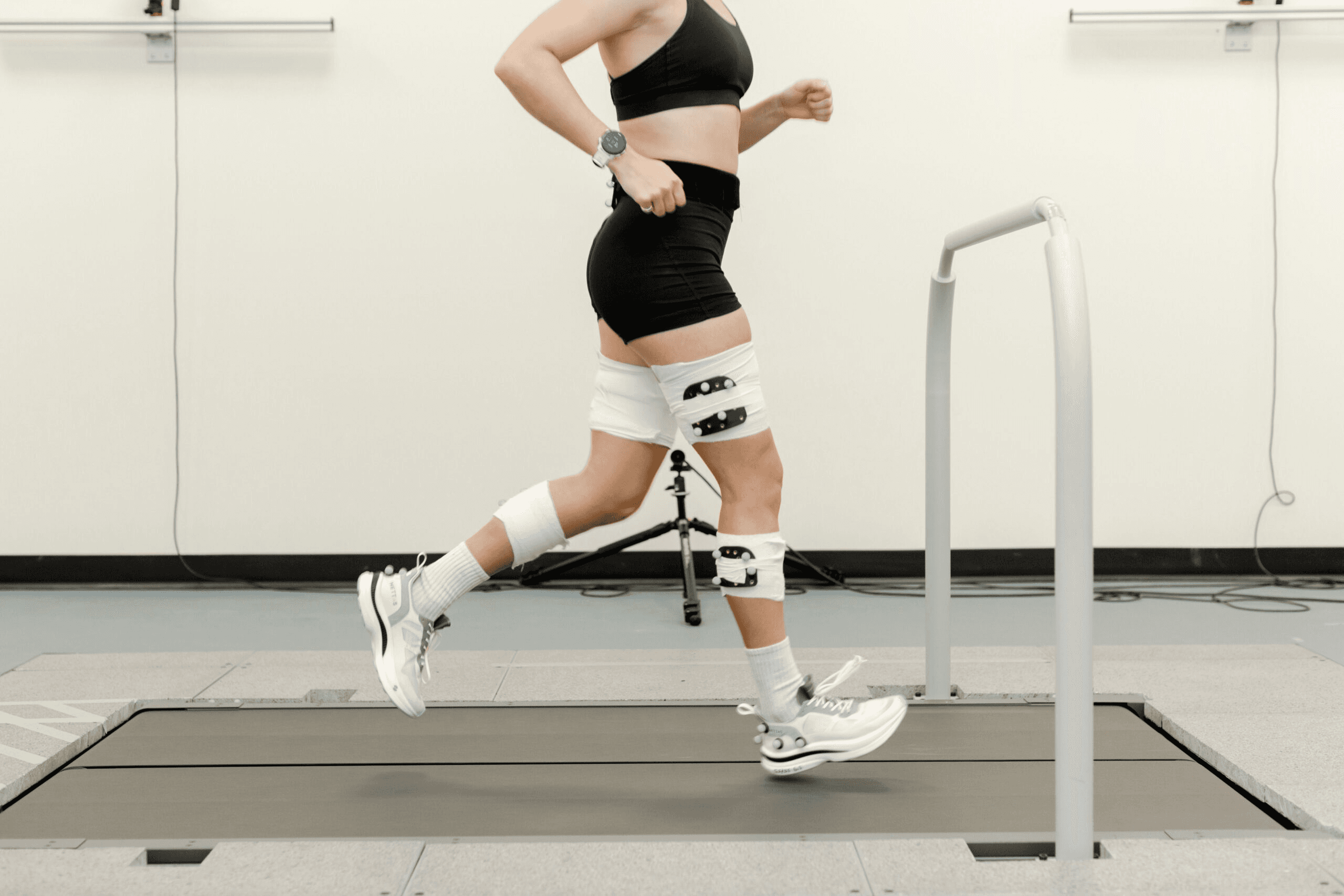
Image Source: Hettas
How This Actually Shows Up
Once the starting point had changed, so did the shoes. Each design decision reflects the unique needs uncovered in their research.
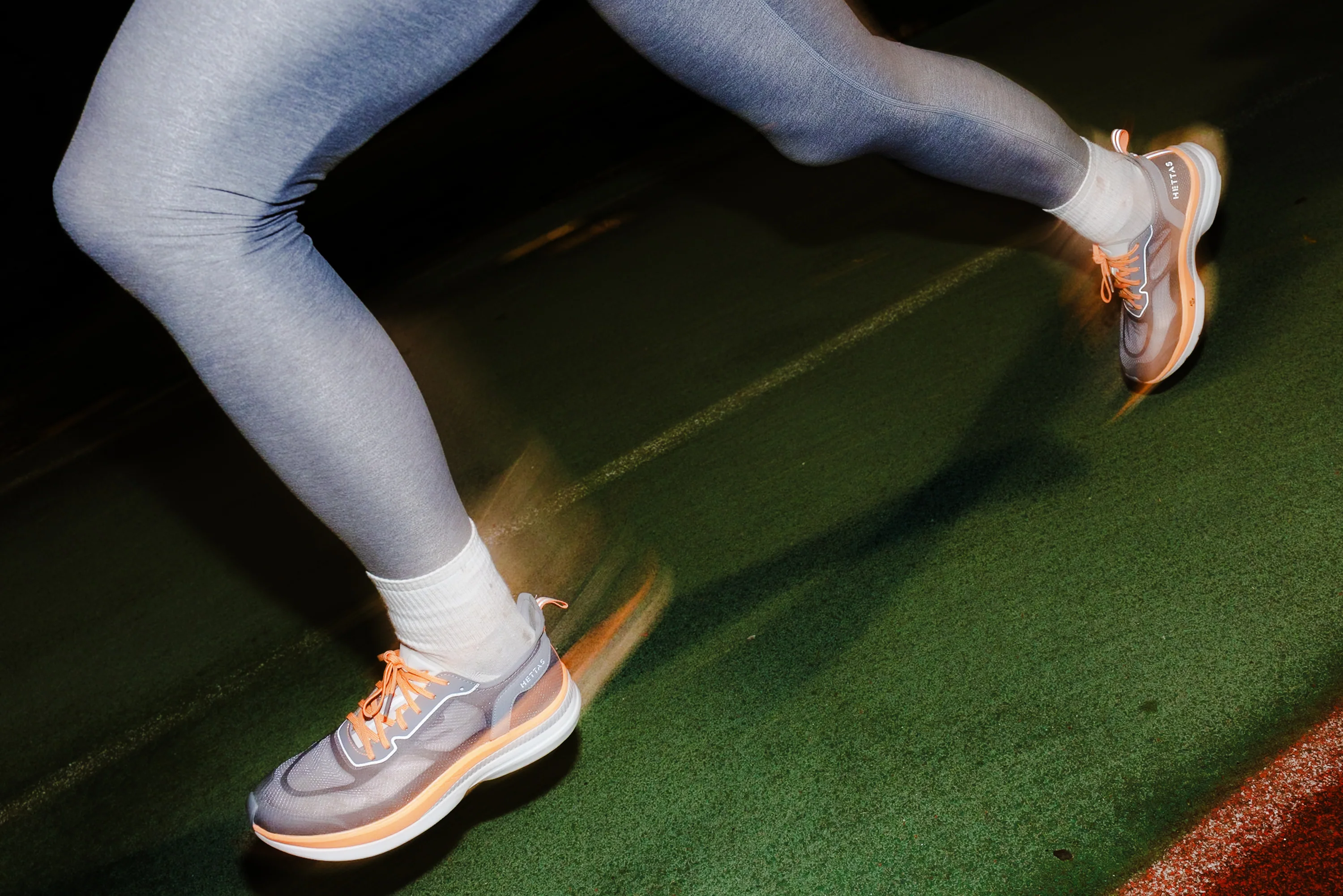
In the focus group, many women reported wanting narrower heel cups in their shoes. As many women’s shoes are made using men’s lasts, the heel counter is wider than necessary for women, often causing women to tie a runner’s knot with their laces. While this can address the issue, it also runs the risk of adding strain to the wearer’s instep and ankle. Hettas went a step further and eliminated the heel counter entirely, a move that initially received a lot of pushback from retailers. Instead, Hettas replaced the heel cup with two support nodes at the back of the shoe and designed the midfoot of the shoe like a skate to stop the wearer’s foot from sliding.
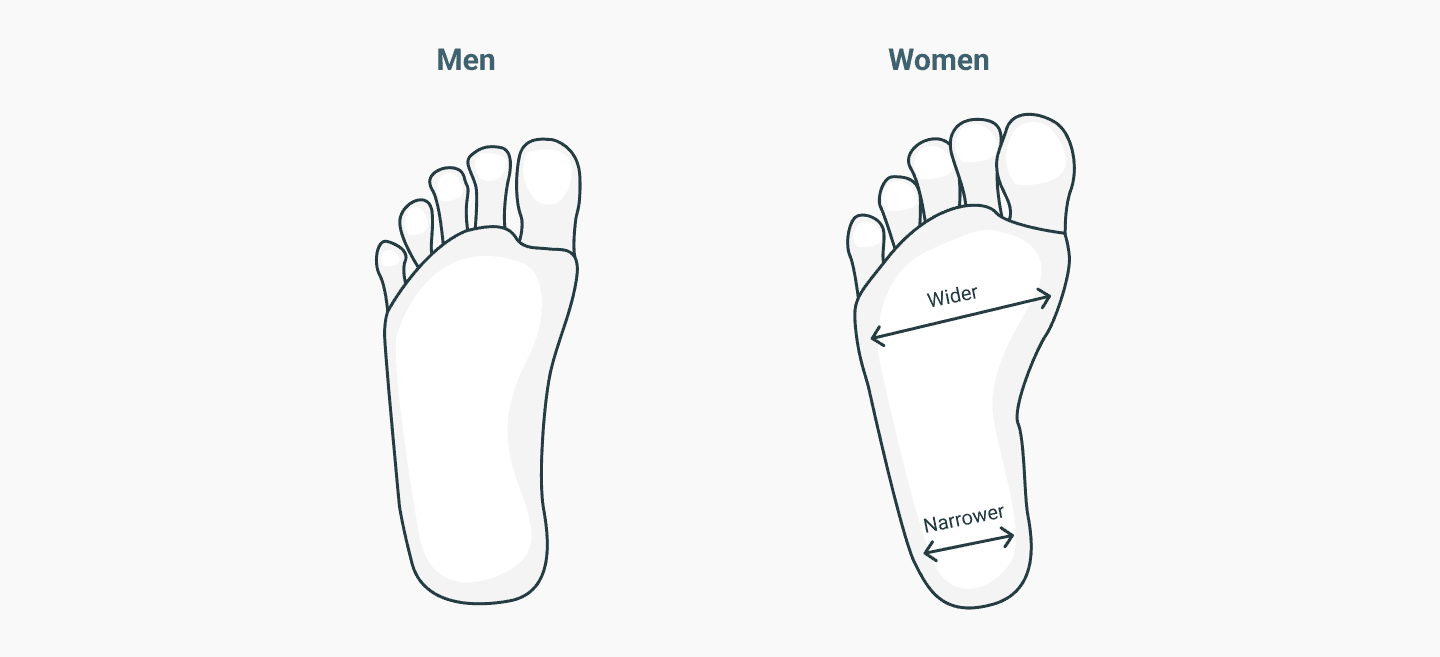
Image Source: Run Repeat
Women typically have a wider pelvis and lower center of gravity compared to men, which significantly impacts their running gait compared to men. Because of how this affects the alignment of their knees and ankles, women also have a higher risk of pronation and developing knee and overuse injuries (Sinclair, Greenhalgh). Hormonal changes can also impact joint and ligament flexibility, further worsening pronation (Run Repeat). These differences aren’t deficiencies, they just need different support. All of Hettas’ shoes feature a pebax plate in the midsole which adds a bit of rebound and stability to the shoe without forcing the foot into a certain gait.
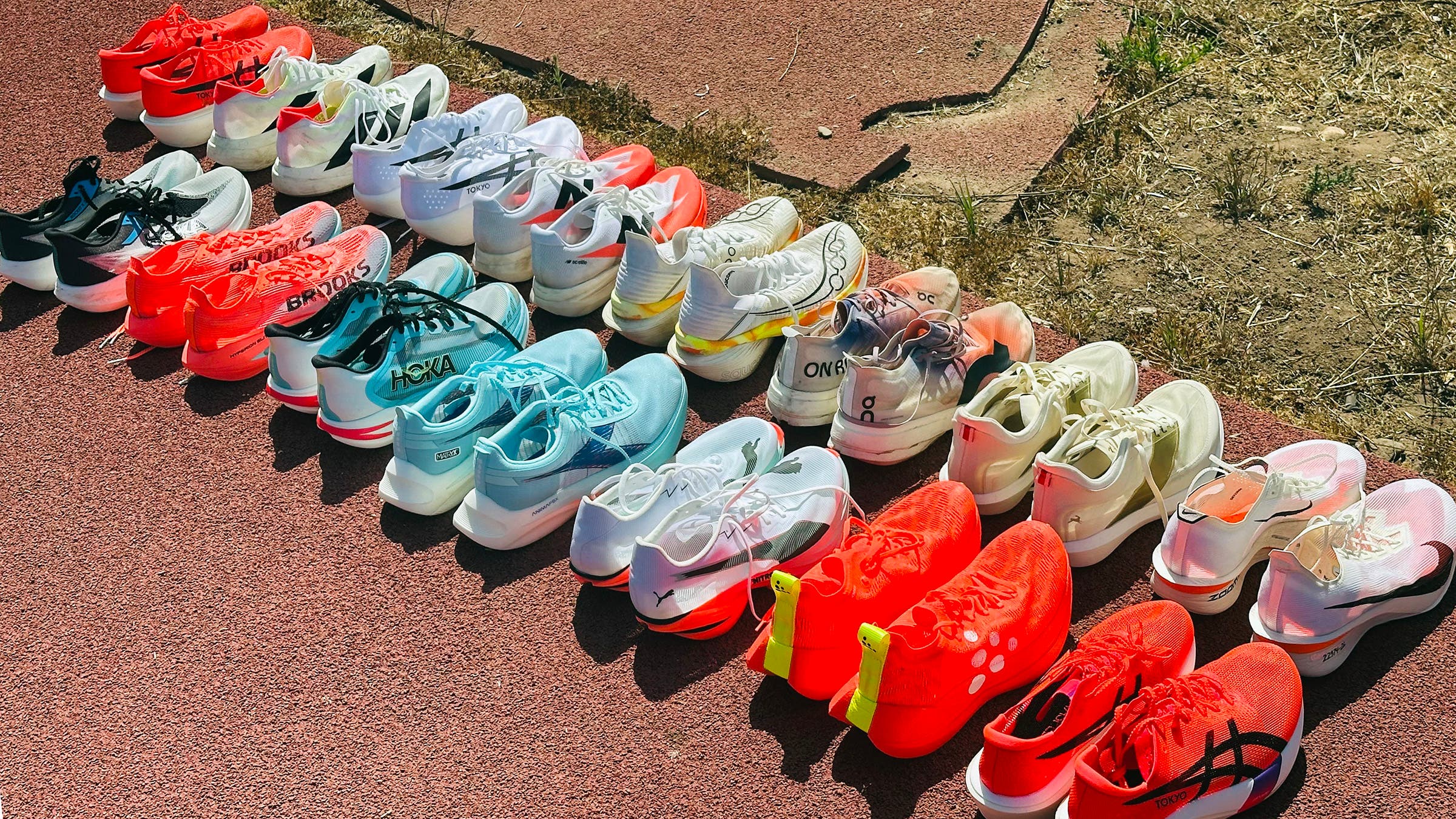
The team had also hypothesized that by curving the plate, energy would be dispersed around the leg as opposed to straight up. Through a study with SFU, they ran tests of their shoes compared to standard carbon-plated racing shoes in an attempt to uncover gaps in their product. They were surprised to find that carbon shoes sent reverberations all the way up to the wearer’s hips and pelvis, whereas the reverberations from Hettas’ shoes stop mid-calf – supporting the anecdotal evidence gathered from emails, reviews, and in-person events claiming that Hettas shoes helped get rid of knee and ankle pain their wearers had been experiencing.
The shoes, however, are just one piece of the puzzle. The purpose driving Hettas goes far beyond the product.
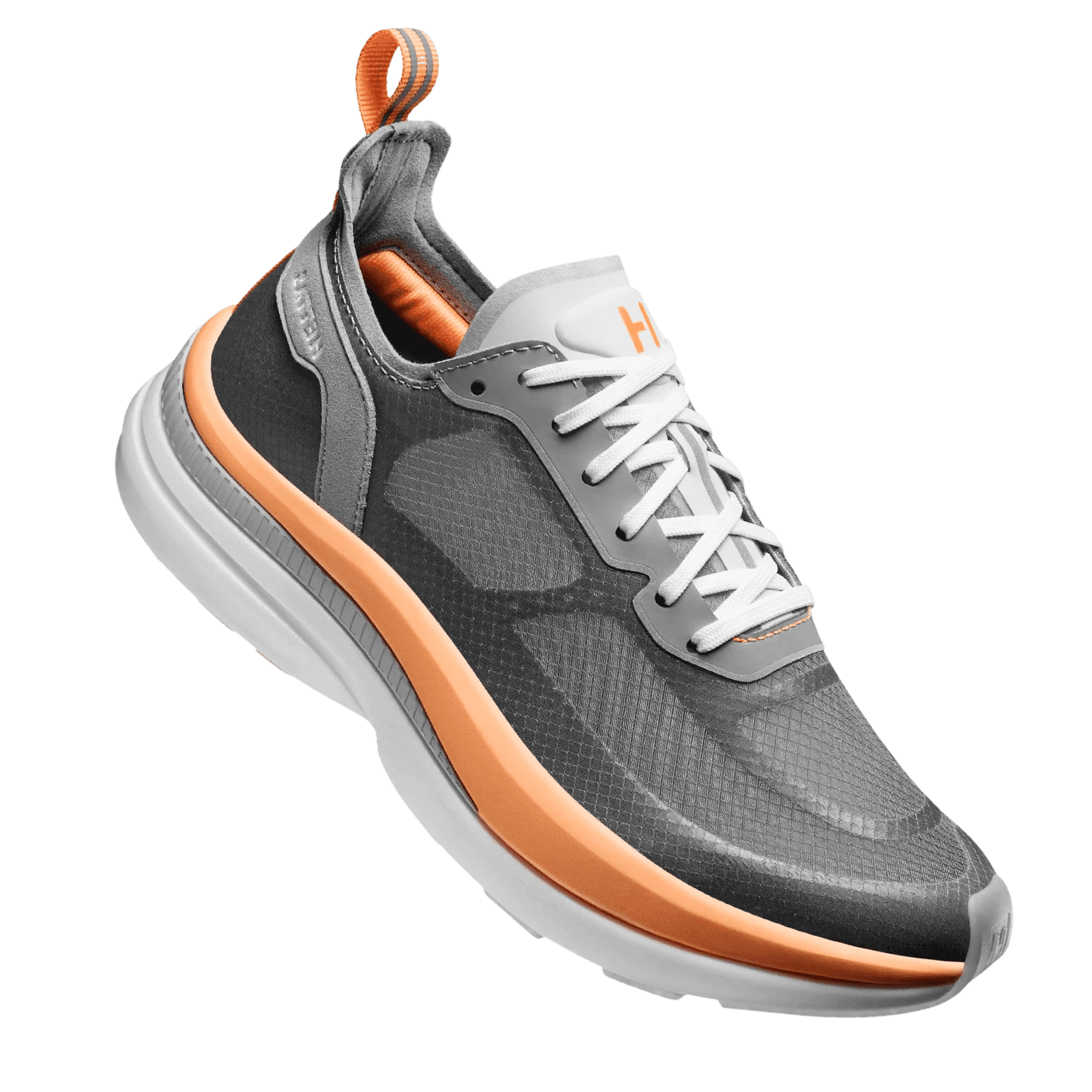
Image Source: Hettas
Beyond The Shoes
At its core, Hettas exists to keep girls and women in sport. Between an ongoing partnership with SFU Run Labs to continue driving research in this space and impact programming designed to keep girls in sport, the company is working to remove barriers before they’re felt.
This vision all comes back to Lindsay’s greatest source of inspiration: her daughters. In Lindsay’s own words, “They don’t see barriers, only possibility”. The goal is to keep it that way.
For more information about the company or products, visit Hettas’ website at https://hettas.ca/