Image Source: Run
Introduction
As a run specialty sales associate, I had the opportunity to witness the psychology behind how runners buy shoes firsthand. For everyday shoes, the process could be fairly simple – runners could choose the one they like the feel of, are curious about, have tried before, or just like the look of with minimal consequences, generally speaking. However, when it comes to racing shoes, the buying process becomes a little more complicated.
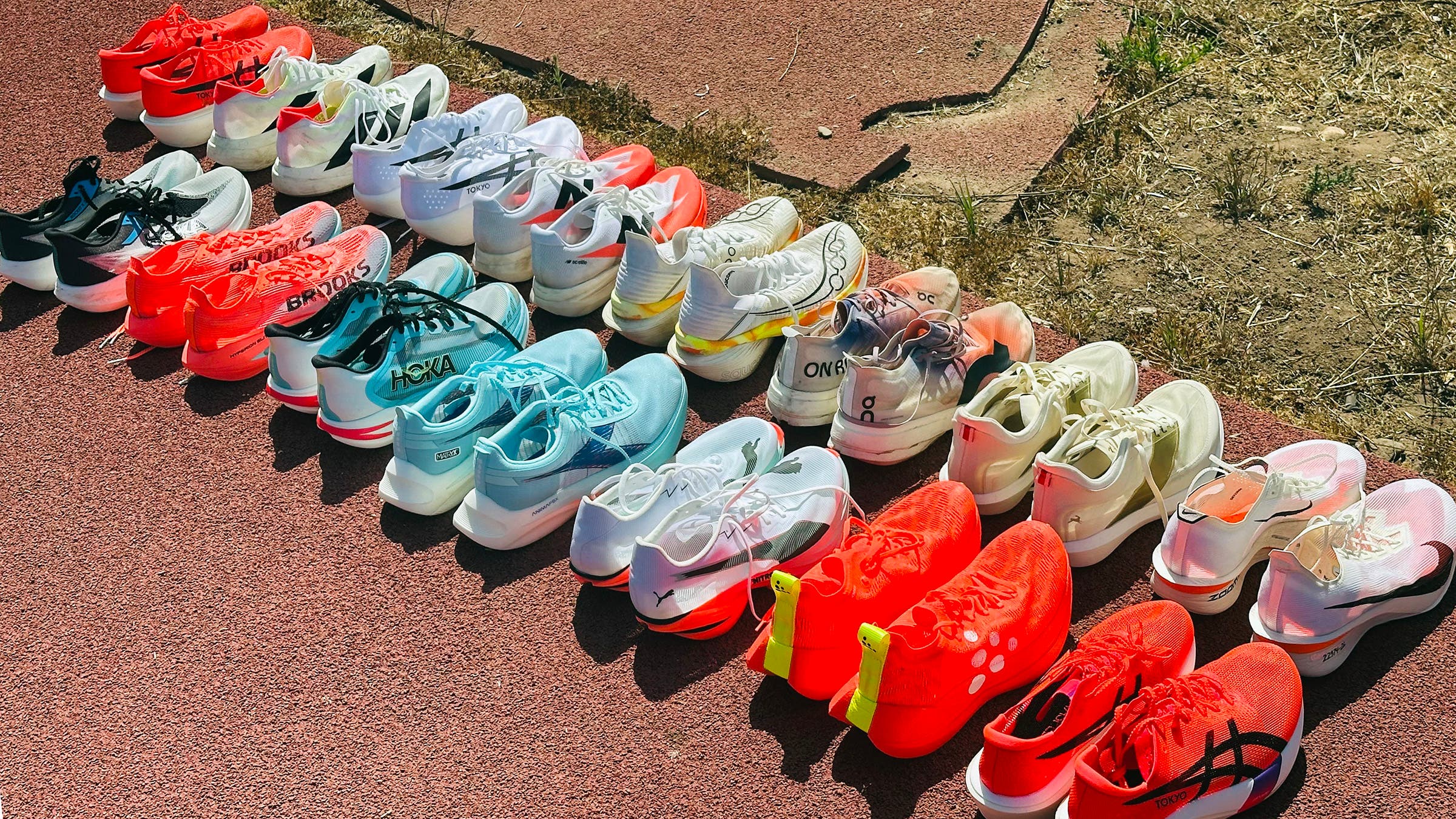
Racing shoes can be up to twice as expensive as standard daily trainers, making them a pretty significant investment. On top of that, runners need to love a shoe enough to feel confident that they’ll still love it after running 42-kilometers in it on race day. This article covers some of those nuanced considerations I noticed when selling racing shoes, which brands are capitalizing on them, and which ones aren’t.
1 – In-Store Fittings Are More Impactful Than Prior Research
More often than not, customers have done limited prior research on racing shoes before coming in for a fitting. In the cases that they have, my experience indicates that it merely serves as a starting point – determining what shoe they might try on first, not necessarily which one they will buy.
One of the most impactful drivers of purchase decisions is how the customer feels in the short 20-meter jog down the length of the store. Any claims brands make about how their shoes should feel at any point during a race go out the window if the shoe’s benefits aren’t immediately noticeable when the customer tries them on.
It is also important to note that several factors can bias how a customer perceives the way the shoe feels including which pair they try on first, reviews they read online, or how effectively a sales associate can communicate the shoe’s benefits. A brand’s ability to leverage these moments that impact a customer’s purchase decisions determines how well their product will perform in a retail store.
2 – Trade Off Between Performance And Accessibility
Most of my consultations were centered around understanding the level of importance of each dimension to the runner I was working with, and identifying which shoe best satisfies that balance. Most shoes are clustered at either extreme of this spectrum, very few excel in both.
Performance: This dimension looks at how suitable the shoe is for pinnacle road racing (ex. 2h30 marathon). At the extreme of this dimension, shoes are typically lighter, less stable, and more aggressive, prioritizing propulsion and efficiency over comfort and stability.
Accessibility: At this extreme, shoes are more approachable to a recreational runner (ex. 4 to 5-hour marathon). These shoes still deliver the energy return of a plated, high-stack midsole but offer more stability, comfort, and forgiveness for less efficient or stability-seeking runners.
The ASICS Metaspeed Edge is a great example of a shoe geared to performance – light and propulsive, but unstable and offers little in the way of support. Conversely, the Cloudboom Max is explicitly “engineered for finishing times of around four hours or more” (On).
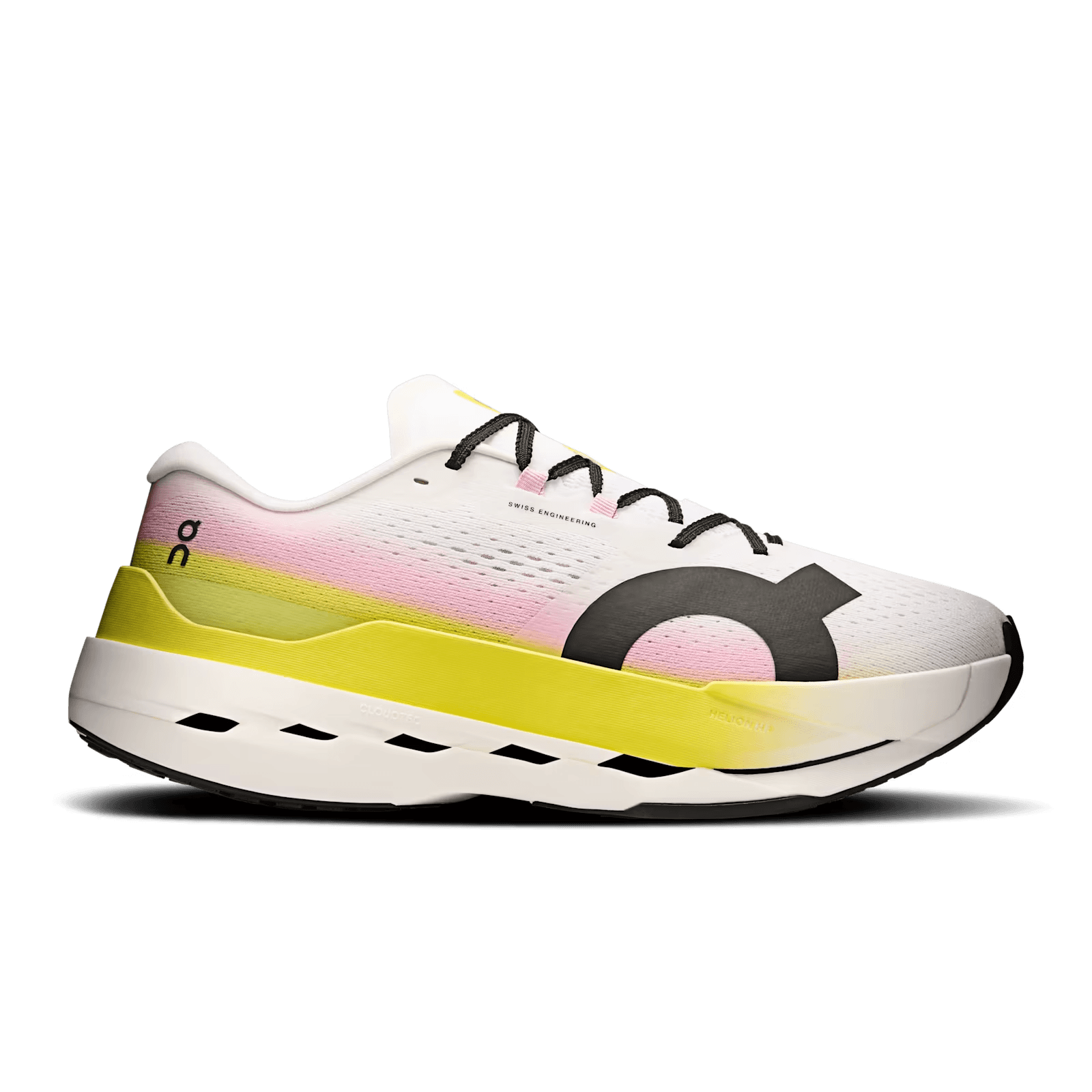
Image Source: On
Some brands lack awareness of where their product truly sits.
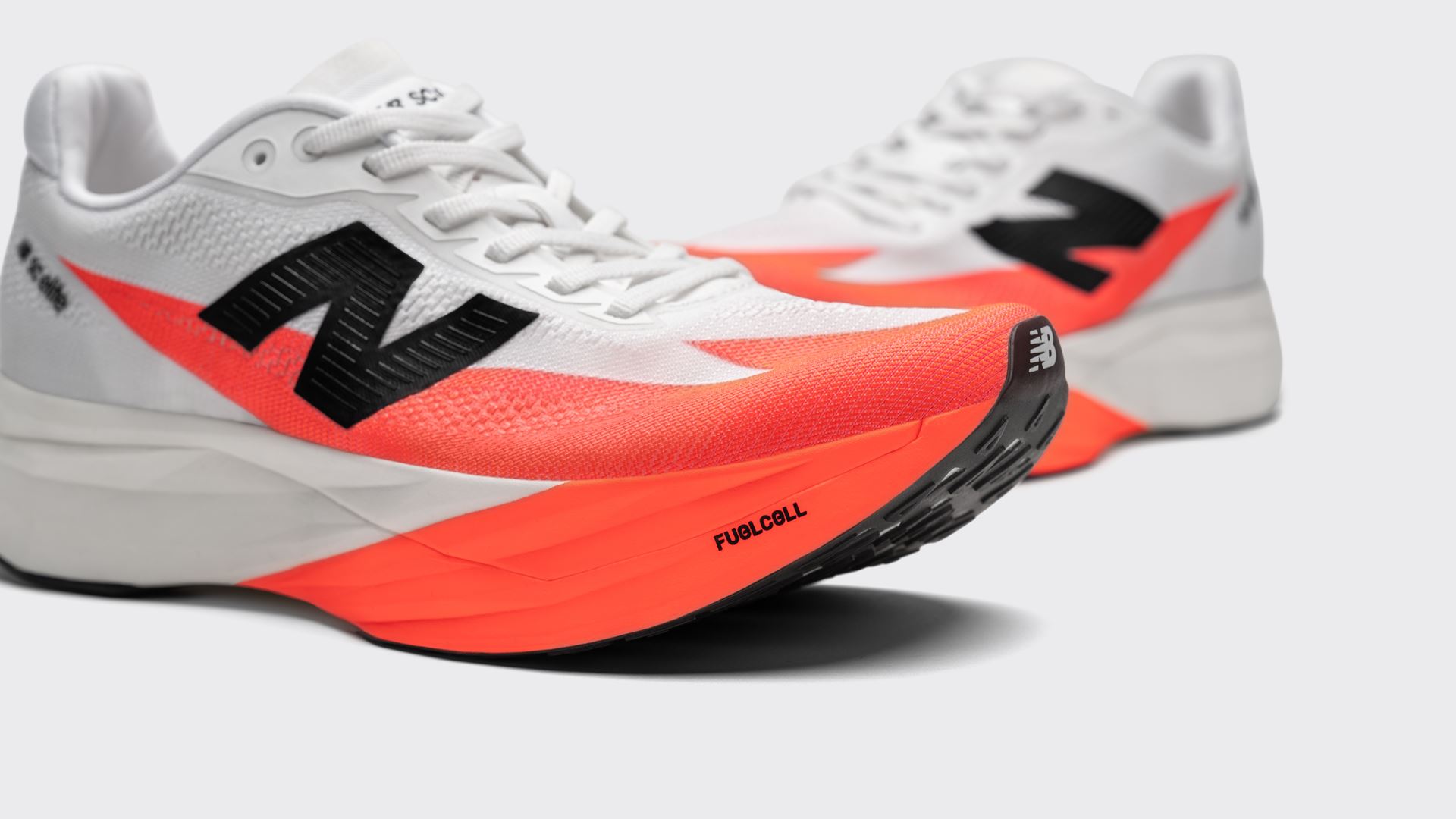
The New Balance SuperComp Elite V4 was New Balance’s pinnacle racer until it was replaced by the V5. Where I think New Balance missed the mark with this shoe is that it simply wasn’t competitive among other pinnacle racers available on the market. It was, however, a fantastic entry-level racing shoe because it felt familiar to runners who had only run in trainers, wasn’t very aggressive, and its wide base added a decent amount of stability to the shoe. I think this shoe would have been more popular if its messaging geared more towards runners looking for what it actually offered as opposed to how New Balance wanted it to be perceived.
Many brands also offer two racing shoes, each geared to a separate dimension. This allows brands to capture market share in both segments, which leads me to my next observation.
3 – Runners Often Buy Within A Product Journey
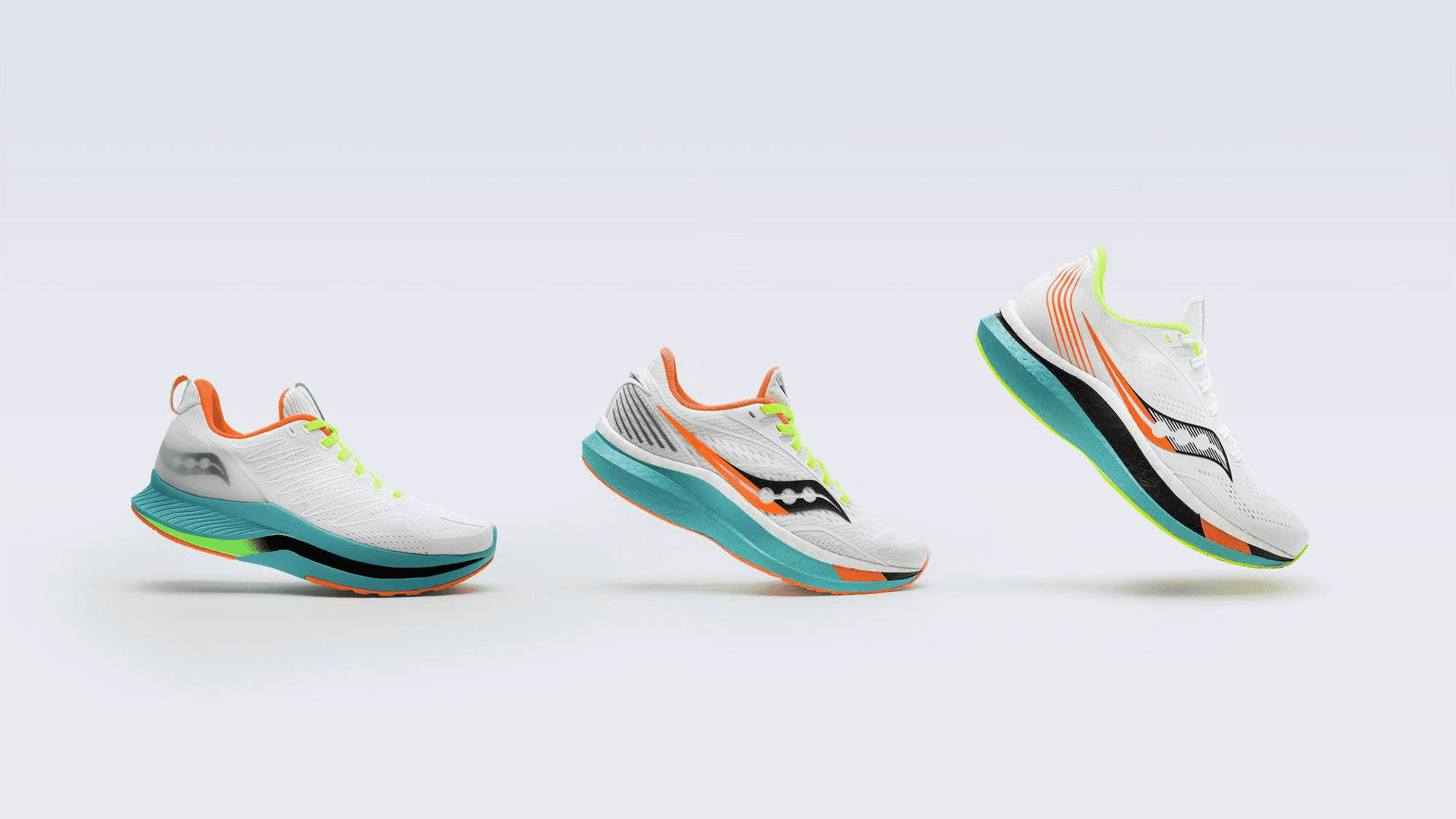
Image Source: Canadian Running Magazine
Once trust is established with a brand, many runners prefer to stay in that product ecosystem. This often starts as early as a runner’s first pair of trainers they like. Having a clear progression from trainer, to interval shoe, to accessible racing shoe, and finally to pinnacle racer makes it easy to keep customers within the brand – especially once a brand has established a distinct feel to their product line.
Brands like Saucony are winning as runners progress through the Endorphin line, whereas New Balance is losing customers in the jump between the Supercomp Trainer and the Supercomp Elite.
4 – Price Resistance Points
Runners anchor what a “reasonable” racing shoe should cost. I’ve noticed a distinct difference in this anchor point in two segments of runners: recreational and competitive. This is not meant to pigeonhole who does and doesn’t get to call themselves a competitive runner, I use these terms for purely illustrative purposes. The defining factor has less to do with the times I mention separating these athletes than it does with their training and racing demands. Someone running a marathon in 4-hours will objectively need more support than someone finishing in 2h30 because they are on their feet for longer.
Recreational runners (those running in the 4 to 5-hour marathon range) have been training consistently for a race and are looking for a fast shoe to help them reach their target time while staying comfortable throughout the duration of the race. I found that these runners tend to have a resistance point around $300CAD – shoes at or below this price satisfy their needs and anything priced above is perceived as overengineered for their purposes.
On the other hand, competitive runners are generally less price sensitive, prioritizing the feel and perceived performance benefit of the shoes they’re considering. Their purchasing behaviours also differ, relying less on sales associate input and relying more on prior research and intuition.
You can also see this in brands’ pricing strategies. Brands with both accessible and pinnacle racing shoe offerings, like Saucony with the Enorphin Pro and Elite or HOKA with the Rocket and the Cielo, price the accessible shoe at $300 and its pinnacle counterpart at $325+.
5 – Performance Parity Increases The Importance Of Storytelling
Racing shoes have reached a point where the difference in their performance benefits is generally negligible. Because of this, a shoe’s desirability is driven primarily by narrative, be it through innovation, legacy, or being associated with iconic performances or moments.
Nike is a brand that has historically been good at storytelling. I’d specifically like to focus on the Vaporfly 4, a shoe I feel is lackluster not only against competitors, but its own earlier iterations. Despite this, the shoe continues to sell. From customer feedback I’ve gathered, much of that success can be attributed to Nike’s first-mover advantage and the story it’s associated with. The shoe’s midsole is embossed with “THE ORIGINAL SUPERSHOE”, a reminder of the shoe’s association with the Sub-2 project and that it's not only a competitor in the category, but the one that created it.
Even years later I had customers who have never held a racing shoe coming into the store asking about the “illegal shoe”.
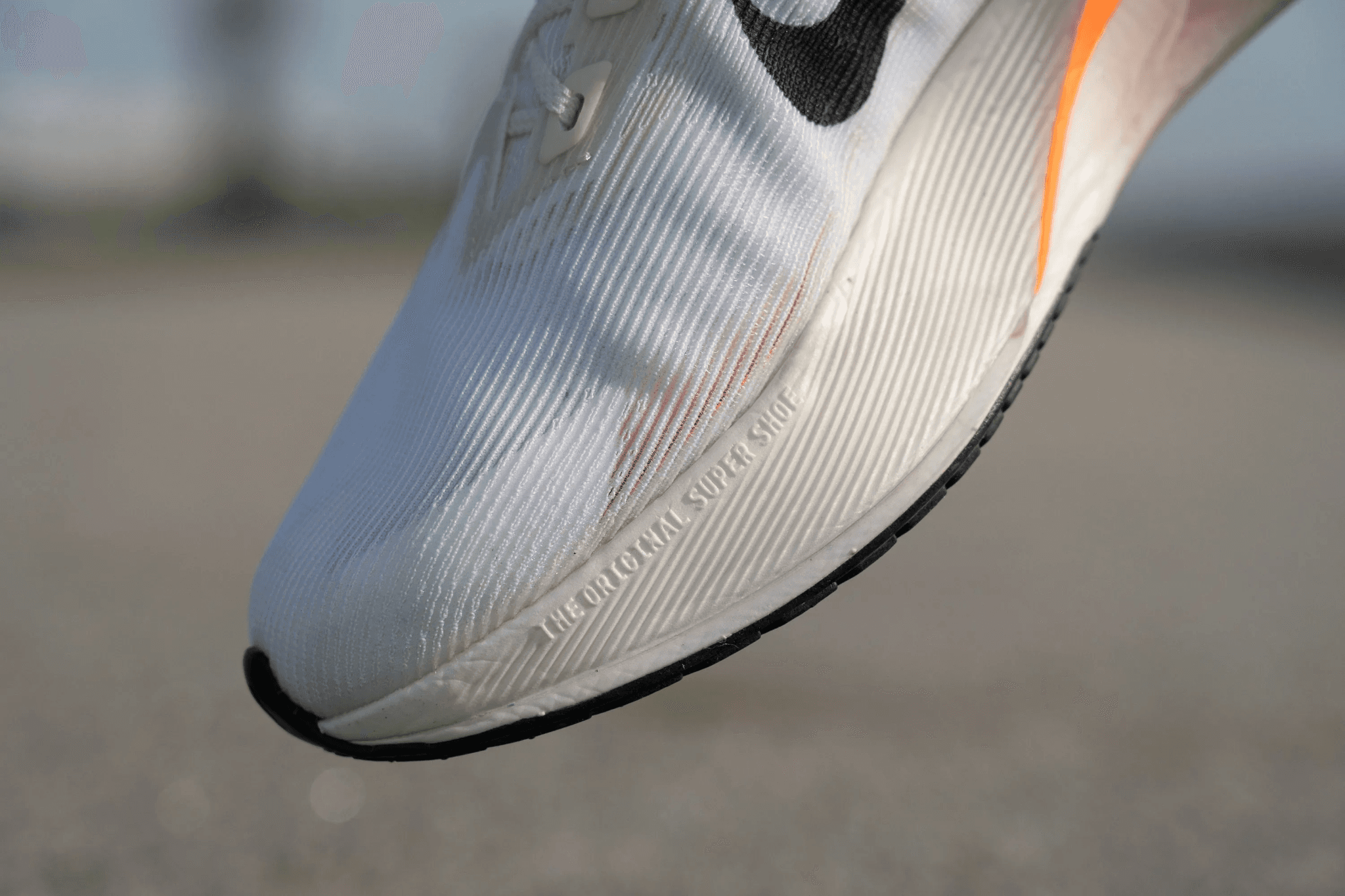
Image Source: Run Repeat
6 – Clear Naming Systems Signal Innovation And Reduce Cognitive Load
Looking specifically at midsole foams, naming systems make material innovations more recognizable and marketable. An effective naming system should be easy for a sales associate to explain, even easier for the consumer to differentiate between models, and create an opportunity for a brand to create excitement around its R&D progress. A naming system is also difficult to nail down; too specific and it becomes difficult for the consumer to follow it, too broad and the brand loses the ability to draw attention to each foam’s unique properties.
While I wouldn’t say their naming system is perfect by any means (ironically, the difference in Metaspeed Sky and Edge is not very clear to the average runner), ASICS did a good job at building excitement around its FF Leap foam preceding the summer 2025 release of the Metaspeed Tokyo series. After the success of the Metaspeed Paris series which featured their FF Turbo+ foam, many runners were excited to see what ASICS’ “lightest, softest, and bounciest foam yet” (ASICS) was like.
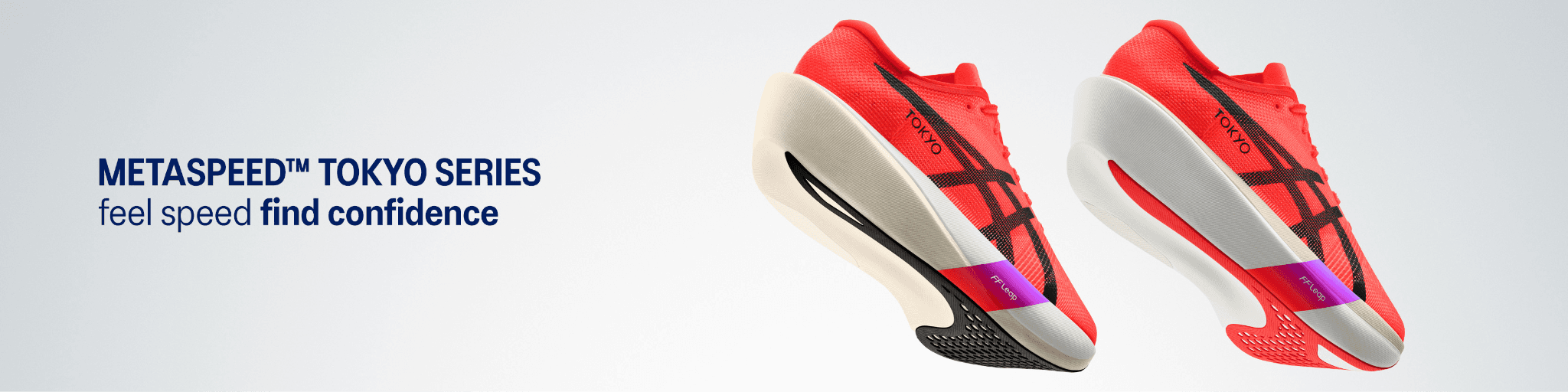
Image Source: ASICS
New Balance takes a different approach to their naming conventions, categorizing the majority of their running lineup into Fresh Foam (everyday, recovery) and Fuelcell (performance). This categorization is similar to how Saucony groups its performance line under Endorphin, but New Balance lacks a naming system within those families to guide consumers. Unless the consumer is educated on foam compounds, there is nothing distinguishing the Fuelcell foam in the Rebel (a PEBA/EVA blend) from the SuperComp Elite (pure PEBA).
If shoe families, like the Endorphin or Fuelcell lines, are a neighbourhood, a good foam naming system should act as a street name telling the consumer where to go.
Closing Thoughts
Requiring a more significant financial and emotional commitment, the purchase behaviours surrounding buying a pair of racing shoes differ greatly from everyday trainers. As racing shoes across brands converge on performance, the brands that run specialty employees advocate for, and consumers ultimately trust, are the ones that can effectively reduce the cognitive load of making these decisions.
Brands that win in this space have a clear understanding of how their products’ unique properties attract different runners and cater their messaging accordingly, keep customers within their product line as their needs evolve, and keep runners engaged by building a compelling story around their product.
If a shoe’s difference can’t be quickly explained, felt, and understood by customers, it risks getting lost in the vast array of high quality products available on the market.